
Nigeria’s rich linguistic tapestry, encompassing over 500 languages, presents a unique challenge for its education system, where English is the primary medium of instruction. For many students, particularly in rural areas, this creates a barrier to understanding complex subjects like mathematics and science. Radio, a widely accessible medium in Nigeria, offers a powerful solution by delivering educational content in local languages such as Hausa, Yoruba, and Igbo. This article explores the necessity of radio-based lessons for math and science in these languages, highlights existing programs, and evaluates their benefits and challenges, emphasising their role in enhancing educational equity.
Read more about Education
The Need for Local Language Instruction in Math and Science
Nigeria’s National Policy on Education (2013) advocates for mother-tongue instruction in the first three years of primary education, yet implementation is inconsistent, particularly for math and science, which are often taught in English. This linguistic mismatch can hinder comprehension, as students struggle with language rather than concepts. A UNESCO policy paper notes that 40% of the global population lacks access to education in a language they understand, impacting learning outcomes, especially in linguistically diverse regions like Nigeria. Research from the British Council (2013) indicates that students taught in their local languages, such as Hausa, Yoruba, or Igbo, perform better in standardised tests, demonstrating improved comprehension and retention in subjects like math and science. For example, in Katsina State, students taught in Hausa reported better understanding of math concepts compared to those taught in English. Radio lessons in local languages can address this gap, making education more accessible and effective for Nigeria’s diverse population.
Sign up for the Connect Nigeria daily newsletter
Existing Radio Programs for Math and Science
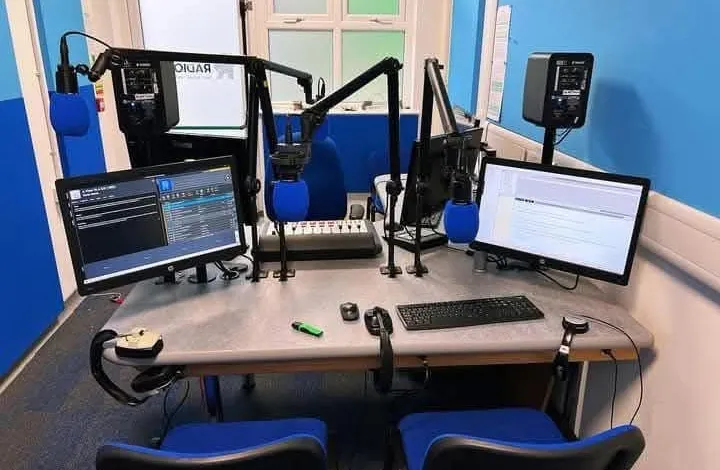
Several initiatives have harnessed radio to deliver math and science lessons in local languages, particularly in Hausa and Yoruba. The Learn at Home project by Data Science Nigeria provides radio lessons in Hausa, including Hausa Primary Mathematics, which delivers curriculum-aligned math content to primary school students. This program, accessible 24/7, is designed to support students in northern Nigeria, where Hausa is widely spoken, and is free for MTN Nigeria users. Similarly, Teach For Nigeria’s Radio School, launched in 2021, broadcasts lessons in Yoruba on Ogun State Broadcasting Corporation FM and Sweet FM, covering numeracy, literacy, and STEM subjects. With over 90 lessons aired and a reach of more than 50,000 listeners, this program supports both in-school and out-of-school children. While specific radio programs for math and science in Igbo were not identified, the success of these Hausa and Yoruba initiatives suggests potential for similar programs in other languages, addressing the needs of Igbo-speaking communities.
Benefits and Challenges of Radio-Based Education
Radio-based education in local languages offers significant advantages. Radio’s widespread accessibility, even in rural Nigeria, makes it an ideal medium for reaching students without internet or digital devices. Lessons in local languages enhance comprehension, as students engage with familiar linguistic structures, fostering better academic outcomes. Additionally, radio programs can involve families, creating a supportive learning environment. For instance, the Mu Karanta! A program in Hausa, part of the Northern Education Initiative Plus, has encouraged community engagement in education. However, challenges include the need for high-quality content development, accurate translations, and teacher training to ensure curriculum alignment. Sustaining these programs requires funding and partnerships between the government, NGOs, and the private sector. Expanding to languages like Igbo would necessitate additional resources to develop content and train educators, but the proven impact of existing programs underscores the potential for broader implementation.
Register to attend the CN Business Mixer
Conclusion
Radio lessons in local languages like Hausa and Yoruba are transforming math and science education in Nigeria by making complex subjects accessible and understandable. Programs like Learn at Home and Teach For Nigeria’s Radio School demonstrate the effectiveness of this approach, particularly for students in underserved areas. While specific programs for Igbo were not found, the success of existing initiatives highlights the potential for expansion to other languages. Addressing challenges like content development and funding through strategic partnerships can further enhance the impact of radio-based education, ensuring that all Nigerian students, regardless of linguistic background, have access to quality education in math and science.
References
UNESCO Policy Paper: If You Don’t Understand, How Can You Learn?
Learn at Home Radio: Hausa Primary Mathematics
Teach For All: Network Radio Initiatives for Education
Did you find this article useful? Contact us: editor@connectnigeria.com