

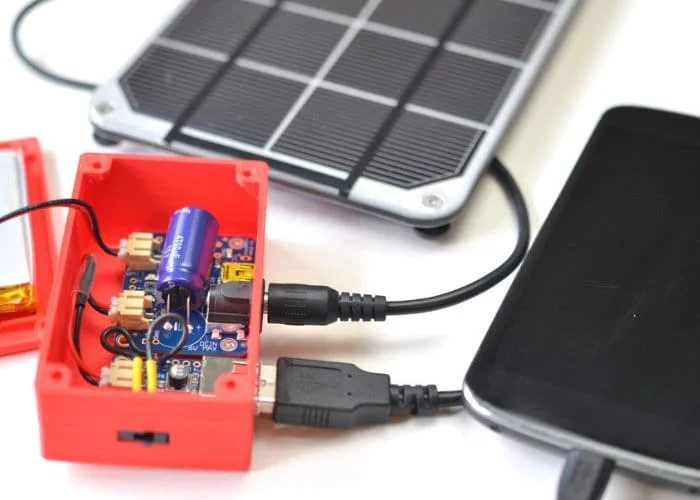
Access to electricity remains a critical challenge in Nigeria, particularly in rural and remote areas, where only approximately 40% of residents had grid access in 2023. This energy gap significantly impacts the use of mobile phones, which are essential for communication, mobile banking, education, and healthcare access. A do-it-yourself (DIY) solar phone charger offers a sustainable, affordable, and practical solution, enabling individuals to harness Nigeria’s abundant solar energy to power their devices independently.
Read more about Energy
The Need for Off-Grid Power Solutions in Nigeria
Nigeria’s electricity access disparity is pronounced, with rural areas significantly underserved compared to urban centres. In 2023, only 40% of rural Nigerians had access to electricity, compared to higher rates in urban areas. This gap is particularly problematic given the country’s growing population and increasing reliance on mobile phones for essential services. For instance, mobile banking platforms like M-Pesa and local apps facilitate financial transactions, while educational apps provide learning resources in remote regions.
Solar energy is a viable solution due to Nigeria’s abundant sunlight, averaging 6-8 hours of strong solar radiation daily. The Nigerian government has recognized this potential, implementing initiatives like the Renewable Energy Master Plan (REMP) and the Energising Economies Initiative to promote off-grid solar solutions. These programs aim to expand electricity access, particularly in rural areas where grid extension is often impractical. However, individual efforts, such as building DIY solar phone chargers, can complement these initiatives by providing immediate, localized solutions for powering essential devices.
How to Build a DIY Solar Phone Charger
Constructing a DIY solar phone charger is a straightforward project that requires basic materials and tools, many of which are accessible in Nigeria. Below is a step-by-step guide to building a simple solar charger, adapted from widely available online tutorials.
Materials Needed
| Item | Description | Source in Nigeria |
| Small Solar Panel | 5V, 4.5W panel to generate power from sunlight | Jumia, Jiji |
| 1N914 Diode | Prevents reverse current flow, protecting the solar panel | Local electronics stores |
| USB Charging Circuit | Converts battery voltage to 5V for phone charging (can be repurposed from an old charger) | Local electronics markets |
| AA Rechargeable Batteries | Stores energy for use when sunlight is unavailable | Jumia, local stores |
| Soldering Iron and Solder | For connecting components securely | Local hardware stores |
| Hot Glue Gun and Glue | Secures components in a container | Local craft or hardware stores |
| Small Container | Tin or plastic box to house the components | Household items or local markets |
| Wires and Connectors | For electrical connections | Local electronics stores |
Steps to Build
- Connect the Solar Panel to the Diode:
- Solder the positive lead of the solar panel to the positive lead of the 1N914 diode.
- Solder the negative lead of the solar panel to the negative lead of the diode.
- The diode ensures current flows only from the panel to the battery, protecting the panel from reverse current damage.
- Connect the Solar Panel to the Battery:
- Connect the positive output of the diode to the positive terminal of the AA rechargeable battery.
- Connect the negative output of the diode to the negative terminal of the battery.
- This setup allows the solar panel to charge the battery during sunlight exposure.
- Connect the USB Charging Circuit:
- Connect the positive terminal of the battery to the positive input of the USB charging circuit.
- Connect the negative terminal of the battery to the negative input of the circuit.
- The USB circuit converts the battery’s voltage to 5V, suitable for charging most mobile phones.
- Assemble the Charger:
- Place all components inside a small container, such as a tin or plastic box.
- Use a hot glue gun to secure the solar panel, battery, and circuit board in place.
- Ensure the USB port remains accessible for connecting a phone’s charging cable.
Sign up for the Connect Nigeria daily newsletter
Sourcing Materials
Materials like 5V, 4.5W solar panels are available on online platforms such as Jumia and Jiji, with prices starting at approximately ₦38,000 for small panels. Local electronics markets in cities like Lagos, Abuja, and Port Harcourt also stock diodes, wires, and USB circuits. Online tutorials, such as those on Instructables and educational blogs, provide detailed guidance, making this project accessible even for those with limited technical experience.
Safety Precautions
- Ensure proper insulation of wires to prevent short circuits.
- Handle soldering equipment carefully to avoid burns.
- Test the circuit with a multimeter to confirm a 5V output before connecting a phone.
Benefits and Challenges of Using Solar Chargers in Remote Areas
Benefits
- Sustainability: Solar chargers utilize renewable energy, reducing reliance on fossil fuels and contributing to environmental conservation.
- Cost-Effectiveness: After the initial investment, there are no ongoing fuel costs, making solar chargers economical over time.
- Independence: These chargers operate independently of the national grid, which is ideal for remote areas where grid infrastructure is absent.
- Accessibility: Solar chargers can be deployed in locations where extending the grid is not feasible, ensuring power for essential devices.
Challenges
- Initial Cost: The upfront cost of components, such as solar panels and batteries, may be prohibitive for low-income households.
- Maintenance: Basic technical knowledge is required for assembly and repairs, which may not be widely available in rural communities.
- Weather Dependency: Solar power generation relies on sunlight, which can be inconsistent during cloudy or rainy seasons.
- Storage Needs: Batteries are necessary to store energy for nighttime or cloudy periods, adding to the cost and complexity.
Government Support
The Nigerian government is actively promoting solar energy through initiatives like the Renewable Energy Master Plan (REMP), which provides a strategic framework for renewable energy development, and the Energising Economies Initiative, which supports off-grid solar solutions for rural electrification. The Nigeria Energy Transition Plan aims to achieve universal energy access by 2030, with over USD 3.6 billion mobilized for solar projects. Additionally, financial incentives and subsidies are available to reduce the initial cost of solar technologies, making DIY projects more feasible for individuals.
Register to attend the CN Business Mixer
Conclusion
Building a DIY solar phone charger is an empowering and practical solution for addressing electricity access challenges in Nigeria’s remote areas. This project not only ensures reliable power for mobile phones but also promotes sustainability and self-reliance. With government support through initiatives like the REMP and the availability of affordable materials on platforms like Jumia and Jiji, more Nigerians can adopt solar energy to stay connected and enhance their quality of life. By following simple online guides and leveraging local resources, individuals can contribute to Nigeria’s renewable energy revolution while meeting their immediate power needs.
Featured Image Source: Geeky Gadget
References
Five key details in new IEA report for 2025 on Nigeria’s electricity sector
Nigeria’s Solar Energy Revolution: Government Incentives Fuel Large-Scale Investments
Nigeria Energy Transition and Investment Plan
Mini Solar Panel Available in Nigeria
Solar Panels in Nigeria for Sale
Instructables DIY Solar Charger Guides
Got a suggestion? Contact us: editor@connectnigeria.com


