

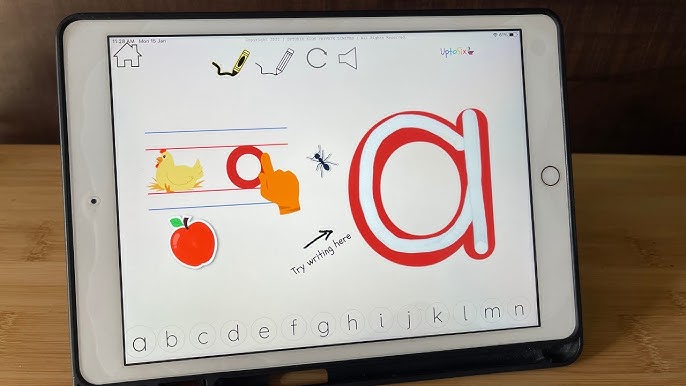
Nigeria’s rich linguistic diversity, encompassing over 500 indigenous languages, presents both a cultural treasure and an educational challenge. The predominant use of English as the medium of instruction often leaves students, particularly in rural and low-income communities, struggling to master basic reading and writing skills. Mobile literacy, leveraging mobile applications to teach these skills in local languages, offers a transformative solution. By delivering culturally relevant and linguistically appropriate content, these apps can bridge educational gaps, especially in areas with limited internet access. This article explores the significance of mobile literacy in local languages, highlights successful apps, and addresses implementation challenges, drawing on current initiatives to illustrate their impact in Nigeria.
Read more about Tech
The Role of Mobile Literacy in Local Languages
Nigeria’s education system, heavily reliant on English, often alienates students whose first language is one of the country’s many indigenous tongues, such as Hausa, Yoruba, or Igbo. This linguistic mismatch hinders comprehension and engagement, contributing to a 31% adult illiteracy rate, with many primary school graduates lacking functional literacy skills. Research, such as the Early Grade Reading Assessment (EGRA), demonstrates that teaching in mother tongues significantly enhances reading fluency and retention. For example, pupils taught in Hausa, Yoruba, and Igbo outperformed their peers taught solely in English. Similarly, in Plateau State, students learning in Berom and Tarok showed improved comprehension and engagement, underscoring the value of local language instruction. Mobile literacy apps address these challenges by providing accessible, localised content. With smartphones increasingly common, even in rural areas, apps can deliver educational materials offline, bypassing Nigeria’s limited internet penetration. By teaching in familiar languages, these apps make learning more relatable, fostering a stronger foundation for literacy and lifelong education.
Successful Mobile Apps for Literacy Education
Several mobile apps have emerged as powerful tools for promoting literacy in local languages. The African Storybook Project, developed by Saide, offers the African Storybook reader and maker apps, enabling children to read and create stories in 222 African languages. Piloted in 15 African countries, including Nigeria, the project has published over 2,000 unique storybooks and reached over 1.5 million children, particularly during COVID-19 school closures. A notable success is Suwaiba Hassan from Katsina State, who used the African Storybook maker app to write “Titi and Donkey,” winning a National Reading Competition. Her story inspired girls’ education and led to scholarships, highlighting the apps’ transformative potential.
Sign up for the Connect Nigeria daily newsletter
Another pioneering initiative is Teesas, a Nigerian EdTech app described as the first of its kind for delivering educational content in local languages. Targeting children aged 2–12, Teesas provides tutor-led videos and e-books in English and major Nigerian languages, including Bini, Hausa, Ibibio, Igbo, Ijaw, Yoruba, and Tiv, with plans to include French. Aligned with the national curriculum, Teesas enhances literacy by making learning engaging and culturally relevant. These apps demonstrate how mobile technology can empower students to develop reading and writing skills in their native languages.
Challenges and Solutions for Implementation
Implementing mobile literacy programs in Nigeria faces several hurdles. Limited access to smartphones and reliable internet, particularly in rural areas, restricts app usage. However, apps like African Storybook are designed for offline use, allowing students to access content without connectivity. Another challenge is the lack of teacher training to integrate these tools effectively. Partnerships with local educators, as seen in the African Storybook Project, can address this by co-developing content and providing training.
Sustainability requires government and institutional support. The Nigerian government could integrate mobile literacy into national education policies, offering subsidies for devices and funding for app development. Collaborations with organisations like UNESCO and the Global Partnership for Education, as utilised by African Storybook, can provide technical and financial support. Additionally, engaging local communities to ensure content relevance can enhance adoption and impact.
Register to attend the CN Business Mixer
Conclusion
Mobile literacy apps teaching in local languages offer a transformative approach to addressing Nigeria’s literacy challenges. By providing accessible, culturally relevant content, initiatives like African Storybook and Teesas empower students, particularly in underserved areas, to develop essential reading and writing skills. While challenges like device access and teacher training persist, solutions such as offline functionality and strategic partnerships can ensure scalability. With continued investment from the government, educators, and tech developers, mobile literacy can significantly advance Nigeria’s journey toward universal literacy, fostering educational equity and national development.
References
- Storybook Apps Turn African Students Into Writers
- Teesas mobile, web app shape learning process
- Improving Literacy Through Local Language Integration in Nigeria
Did you find this article useful? Contact us: editor@connectnigeria.com


love this
This information is so interesting